
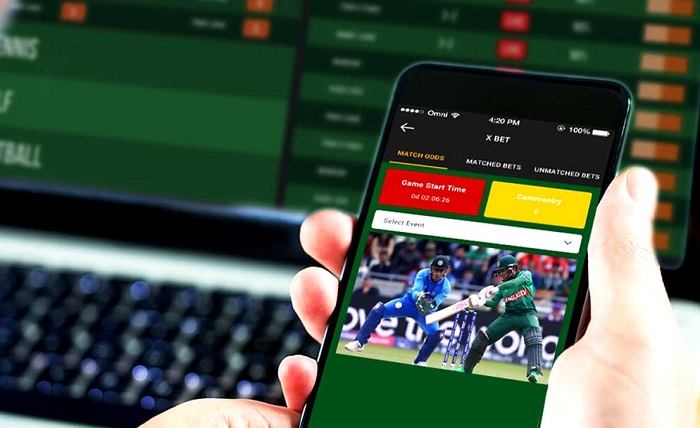
When users look up an ipl betting app india option during the season, speed usually matters just as much as features. The app has to open quickly, guide users in the right direction, and make the route to a live or upcoming match feel simple. A long setup, a crowded home screen, or too many detours can weaken the experience before the user even reaches the match view.
That first impression matters more than many platforms assume. IPL traffic often comes in short bursts. People check schedules, open the app between tasks, and expect a direct path instead of a maze of screens. In that kind of environment, fast match access is not a small advantage. It is one of the clearest signs that the product has been built with real mobile behavior in mind.
A quick start tells users what kind of app they are dealing with
The first sign appears before the main screen even loads. A strong app does not force users through a tiring entry process. Registration should feel short, clear, and easy to follow. If the first few steps already seem slow or disorganized, trust starts dropping early.
This does not mean every app needs the shortest possible signup flow. Some checks are expected. What matters is whether the process feels logical. Users should understand what information is needed, why it is being requested, and what comes next. If the app jumps between screens, repeats the same action, or makes the next step hard to spot, the experience turns frustrating almost at once.
Fast match access begins with this first stage because every extra layer before the homepage creates friction. During IPL season, people rarely have patience for a confusing start. They want to move forward, not stop and figure out what the app is trying to say.
The home screen should guide, not distract
The second sign is visible right after entry. The home screen should make the next action obvious. It should not overwhelm the user with visual clutter, pop-ups, oversized banners, or too many competing directions.
A useful layout gives priority to what users came for. In this case, that usually means access to live matches, upcoming fixtures, and the main event area. If these sections are hidden under several menus or pushed down by aggressive promotional blocks, the app starts working against itself. A busy interface can look active, but it often slows users down.
This is where design discipline becomes important. A clean first screen creates rhythm. It tells users where to tap, what to check, and how to move deeper into the app without hesitation. That feeling of easy movement matters because people often judge the entire platform by the first thirty seconds.
The route to the match should feel shorter than it looks
The third and fourth signs are closely connected. A well-built app makes match access feel direct, even if the platform includes many sections. Good structure reduces the number of decisions users need to make.
The best apps usually get the basics right:
- Live and upcoming IPL matches are easy to spot.
- Menus are readable on a small screen.
- The main route to the match does not disappear behind secondary content.
- Repeated pop-ups do not interrupt every step.
These details affect comfort more than many flashy additions. A user should not need several attempts to find the right match area. If the path to the event feels uncertain, the whole app starts to seem less reliable. By contrast, a clear structure creates momentum. One tap leads naturally to the next one. The user stays focused on the match instead of dealing with unnecessary choices.
Mobile comfort is not a bonus feature
The fifth sign becomes obvious during regular use. The app should feel comfortable on a phone, not just functional. Since mobile use dominates everyday digital behavior, an app built for fast access must work naturally on smaller screens.
In other words, the design still needs to be understandable. It is a good idea to have buttons at a position that users can easily access them. The font should be legible without requiring users to zoom or scan the content extensively. Key areas should be located where people usually look for them, not in strange corners or hidden under expandable panels.
A cleaner interface often improves the experience more than a long feature list. Users remember whether the app felt easy to handle. They remember whether the structure made sense. That kind of comfort shapes return behavior more than loud visuals or oversized claims.
Trust grows when every next step feels obvious
The sixth and seventh signs are less about speed on paper and more about how the app feels in real use. A trustworthy product gives users a sense of direction. It does not leave them guessing where to tap next or what a screen is trying to do.
This applies to support, account settings, payment areas, and the match section itself. When key parts of the app are clearly separated and easy to reach, the platform feels more stable. When everything is packed together without order, even simple actions can feel uncertain.
A better app flow usually includes a few clear qualities:
- Labels make sense without extra explanation.
- Important sections stay easy to find.
- The design stays consistent from one screen to the next.
- Each step feels connected to the last one.
That is what turns fast access into a stronger overall experience. Speed alone is not enough. Real usability comes from clarity, order, and a structure that respects the user’s time. During IPL season, apps that understand this stand out more naturally. They do not have to force attention. They simply make the path from signup to match view feel smooth, direct, and worth returning to.