
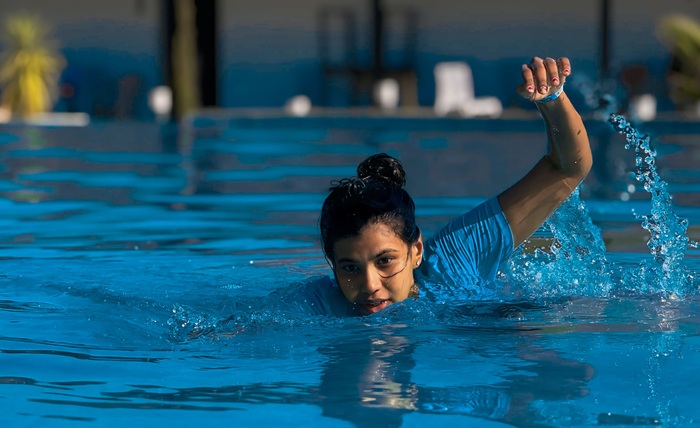
Mention water polo bd to most people on the street in Dhaka and you’ll probably get a blank look, maybe a confused smile. Cricket and football still dominate the conversation here, and that’s not going to change overnight. But something has been shifting quietly in the background — better pools, a bit more coaching structure, and a small group of stubborn athletes who’ve decided this sport deserves a real shot. People who browse dbbet apk for sports news now and then have probably noticed aquatic sports popping up more often lately, and that’s not really a coincidence. So what’s actually going on with this sport, where can someone in the capital go to learn to swim properly, and what does the national pool have to do with any of it? Worth digging into.
What Actually Finding Its Feet
Water polo has been around for over a century globally, but in Bangladesh, it’s practically a newborn. It asks for a weird combination of things — the stamina of a distance swimmer, the ball skills of a handball player, and the kind of tactical thinking you’d expect from someone watching a basketball game unfold. That’s a lot to ask of anyone, and honestly, it’s probably one reason the sport hasn’t caught on as quickly as more familiar games.
That said, things have picked up. Swimming federations have started giving the sport a second look, and a handful of committed athletes have pushed hard for more organized training and actual competition. Nobody’s calling it mainstream yet. But it’s not invisible anymore either, and that counts for something.
Why Waterpolo BD Keeps Struggling to Break Through
A lot of it just comes down to access, plain and simple. You need a pool that’s deep enough and big enough to run full matches, plus goals, balls, and coaches who actually understand how the game works. That kind of setup doesn’t exist just anywhere, so waterpolo bd has mostly stayed clustered around Dhaka and a couple other cities with the right facilities already in place.
Then there’s the swimming problem underneath all of it. Nobody’s stepping into a water polo match without already being a strong, confident swimmer first. That one requirement alone knocks a lot of potential players out before they even get close to the sport, which is probably why building basic swimming skills across the country matters just as much as pushing the sport itself.
Small Signs Things Are Moving
Even with all that working against it, there have been some genuinely good signs. A few youth programs have started slipping water polo basics into regular swimming lessons, which gets kids exposed to the sport way earlier than before. Some clubs have thrown together informal matches and small tournaments too — nothing huge, but enough to start building an actual community instead of leaving the sport to a scattered handful of players doing their own thing.
Learning to Swim Comes First, Always
None of the water polo talk really matters without people who can swim well in the first place. That’s exactly why swimming learning in Dhaka has become such a big deal over the past few years. More structured programs have opened up around the city, catering to everyone from five-year-olds to adults deciding to learn for the first time well into their thirties or forties.
What a Beginner Class Usually Looks Like
Most programs kick off with the basics nobody skips — breathing, floating, just getting comfortable being in the water without panicking. Once that clicks, instructors usually move into freestyle and backstroke first, since beginners tend to pick those up faster than butterfly or breaststroke. Group lessons are the norm, though plenty of Dhaka parents go the private route instead, especially when their kids need a bit more hands-on attention.
Who’s Actually Showing Up
It’s not just kids anymore, which might surprise some people. A fair number of adults have been signing up to learn swimming for the very first time, often chasing fitness goals or wanting a safety net for beach trips, sometimes just looking for something new to try. Swimming’s got a reputation as an easy-on-the-joints, full-body workout, and that reputation alone has pulled in a crowd that probably wouldn’t have considered it ten years ago.
Where the National Pool Fits Into This
None of this growth would be happening the way it is without one solid central facility, and that’s the national swimming pool. As the country’s main venue for competitive swimming and other aquatic events, it does a lot more than just host the occasional tournament every few months.
More Than a Place to Hold Meets
Beyond competitions, the facility backs training programs, youth development efforts, and coaching certifications that push the overall quality of aquatic sports up a notch across the country. Having one well-kept pool built to proper dimensions gives athletes somewhere to train under conditions that actually line up with international standards, instead of making do with whatever smaller pool happens to be nearby.
Facility Quality Isn’t Just a Detail
It’s easy to overlook how much a pool’s condition can shape both performance and safety. Depth, lane markings, water temperature, even how well-lit the place is — all of it affects how well someone can actually train, especially in something as physically brutal as water polo. Having one properly run national facility gives coaches and athletes a real standard to aim for, something that’s been genuinely hard to pin down when training gets spread across a mix of inconsistent local venues.
What Still Needs to Happen
For water polo and competitive swimming to keep growing here, a handful of things need to keep moving forward together. More regional pools, better-trained coaches, continued investment in youth programs — all of it adds up over time. Right now, the growth is real, but it’s still bunched up in a few pockets instead of spreading evenly across the country.
It Starts With Getting Kids in Early
Real, lasting progress usually comes down to getting kids comfortable in the water long before they’re old enough to specialize in anything. The more children who grow up as confident swimmers, the bigger the pool of future water polo talent becomes down the line. It’s slow, no way around that, but it’s also the path that actually holds up over time instead of leaning on a small group of dedicated people to carry the whole thing.
Final Thoughts
Aquatic sports in Bangladesh still have a long way to go, but the direction feels right. Between the growing interest in water polo, expanding swimming programs across Dhaka, and a national facility that can actually support serious training, the pieces are slowly falling into place. It’s not going to happen fast. But for anyone keeping an eye on it, this is clearly a space worth watching over the next few years.