
Introduction
Barakhadi is one of the most important foundations of learning Hindi and Marathi languages. Every student who begins learning these languages is introduced to Barakhadi because it helps build a strong understanding of vowels, consonants, pronunciation, and word formation. The concept of Barakhadi combines consonants with different vowel sounds, allowing learners to read and write a wide variety of words accurately.
For children, beginners, and language enthusiasts, Barakhadi serves as a stepping stone toward fluency. Without understanding Barakhadi, it becomes difficult to read, write, and pronounce words correctly. Whether you are a student, parent, or teacher, learning Barakhadi can significantly improve language skills and confidence.
What Is Barakhadi?
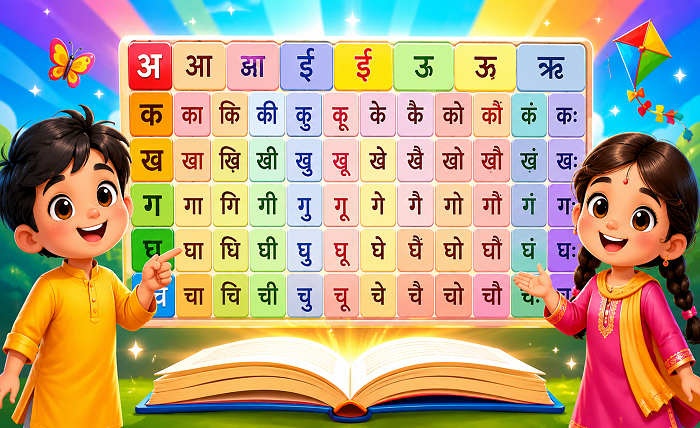
Barakhadi is a systematic arrangement of Hindi or Marathi consonants combined with all vowel sounds. The word Barakhadi traditionally refers to a chart where one consonant is paired with multiple vowels to create different syllables.
For example, the consonant “क” changes when combined with different vowels:
- क
- का
- कि
- की
- कु
- कू
- के
- कै
- को
- कौ
- कं
- कः
This pattern is repeated for every consonant in the language. Through Barakhadi, learners understand how vowel signs modify consonants and create different sounds. This makes Barakhadi a crucial component of language education.
The structured nature of Barakhadi allows learners to recognize patterns quickly, making reading and writing easier. Many schools introduce Barakhadi during the early stages of education because it lays the groundwork for literacy.
History and Importance of Barakhadi
The origin of Barakhadi can be traced back to traditional methods of teaching Indian languages. Teachers historically used Barakhadi charts to help students memorize sound patterns and improve pronunciation. Over time, Barakhadi became an essential part of language learning across many regions of India.
The importance of Barakhadi lies in its ability to connect letters with sounds. Since Hindi and Marathi use the Devanagari script, understanding how vowels modify consonants is essential. Barakhadi teaches these modifications in a logical and organized way.
Many educators consider Barakhadi the backbone of early language education. Students who master Barakhadi often develop better reading speed, spelling accuracy, and pronunciation skills. Because of these benefits, Barakhadi remains a vital educational tool even in modern classrooms.
Structure of Barakhadi and How It Works
The structure of Barakhadi is based on combining consonants with vowel symbols. Each consonant can take various vowel forms, creating multiple syllables. This organized system helps learners understand the relationship between sounds and written characters.
For example, the Barakhadi of the consonant “ग” is:
- ग
- गा
- गि
- गी
- गु
- गू
- गे
- गै
- गो
- गौ
- गं
- गः
By practicing Barakhadi, students learn how a single consonant changes with different vowels. This method helps develop reading skills because learners can decode unfamiliar words by recognizing vowel patterns.
The consistent structure of Barakhadi makes it easier to remember. Once students understand the pattern for one consonant, they can apply the same logic to all other consonants. This efficiency is one reason why Barakhadi is widely used in language education.
Benefits of Learning Barakhadi
Learning Barakhadi offers numerous benefits for students and language learners. One of the primary advantages of Barakhadi is improved pronunciation. Since learners practice every vowel-consonant combination, they become familiar with different sounds and speech patterns.
Another benefit of Barakhadi is stronger reading ability. Students can identify syllables quickly, making it easier to read books, stories, and educational materials. As reading fluency improves, comprehension often improves as well.
Barakhadi also enhances writing skills. Understanding vowel signs helps learners spell words correctly and avoid common mistakes. This foundation is particularly valuable for young students who are developing literacy skills.
Additionally, Barakhadi supports vocabulary development. As learners become comfortable with different sound combinations, they can recognize and learn new words more effectively. This contributes to overall language proficiency.
Teachers often recommend daily Barakhadi practice because it strengthens memory, improves language confidence, and encourages better communication skills.
Effective Methods to Learn Barakhadi
There are several effective ways to master Barakhadi. One of the most popular methods is using a Barakhadi chart. Visual charts allow learners to see patterns clearly and memorize combinations more easily.
Another effective technique is repetition. Repeating Barakhadi aloud every day helps reinforce pronunciation and memory. Many teachers encourage students to read Barakhadi rows multiple times until they become familiar with each sound.
Writing practice is also essential. Copying Barakhadi combinations repeatedly helps learners remember letter forms and vowel signs. This method strengthens both reading and writing abilities.
Educational games and digital applications have made learning Barakhadi more engaging. Interactive quizzes, videos, and pronunciation exercises help learners practice in a fun environment. These tools make Barakhadi accessible to children and adults alike.
Parents can support learning by reviewing Barakhadi with their children daily. Consistent practice and encouragement can significantly improve retention and understanding.
Common Challenges While Learning Barakhadi
Although Barakhadi is systematic, some learners face challenges during the learning process. One common difficulty is remembering all vowel combinations. Since each consonant changes with different vowels, beginners may initially find Barakhadi overwhelming.
Pronunciation can also be challenging. Some vowel sounds are subtle, and learners may confuse similar-sounding combinations. Regular listening and speaking practice can help overcome these issues while studying Barakhadi.
Another challenge is writing accuracy. Beginners sometimes forget the correct placement of vowel signs. Consistent handwriting practice helps students become more comfortable with Barakhadi forms.
Memory retention is another concern for some learners. The best solution is regular revision. Reviewing Barakhadi daily strengthens long-term memory and reduces confusion. With patience and practice, most learners gradually overcome these obstacles.
Barakhadi in Modern Education
In modern education, Barakhadi continues to play a crucial role despite technological advancements. Schools still rely on Barakhadi as a fundamental teaching tool because it provides a structured approach to language learning.
Digital resources have expanded access to Barakhadi. Educational websites, mobile applications, and online videos allow students to learn at their own pace. These resources often include audio support, helping learners hear the correct pronunciation of Barakhadi combinations.
Teachers use creative techniques such as songs, flashcards, and interactive activities to make Barakhadi lessons more engaging. These methods increase student participation and improve learning outcomes.
The continued relevance of Barakhadi demonstrates its effectiveness as a language-learning framework. Whether taught traditionally or digitally, Barakhadi remains essential for developing strong literacy skills.
Conclusion
Barakhadi is a foundational element of Hindi and Marathi language learning. By understanding Barakhadi, students gain the skills needed for accurate reading, writing, and pronunciation. The systematic structure of Barakhadi makes it easier to learn vowel-consonant combinations and develop literacy skills.
From traditional classrooms to modern digital platforms, Barakhadi continues to help learners build confidence and language proficiency. Regular practice, repetition, and the use of educational resources can make mastering Barakhadi both enjoyable and effective. Anyone seeking a strong foundation in Hindi or Marathi should prioritize learning Barakhadi as an essential first step.
FAQs
1. What is Barakhadi?
Barakhadi is a chart that combines consonants with different vowel sounds in Hindi and Marathi, helping learners understand pronunciation and word formation.
2. Why is Barakhadi important?
Barakhadi is important because it improves reading, writing, pronunciation, spelling, and overall language comprehension.
3. At what age should children learn Barakhadi?
Most children begin learning Barakhadi during their early primary school years, although learners of any age can benefit from studying Barakhadi.
4. How can I practice Barakhadi effectively?
You can practice Barakhadi through repetition, writing exercises, charts, flashcards, educational apps, and daily reading activities.
5. Can adults learn Barakhadi?
Yes, adults can learn Barakhadi successfully. With consistent practice and proper resources, adults can master Barakhadi and improve their language skills.