
The question chaudas kab ki hai is commonly searched by people who want to know the exact date and significance of Chaudas in the Hindu calendar. Chaudas, also known as Chaturdashi, refers to the fourteenth day of the lunar fortnight and holds special importance in many Hindu festivals and traditions.
Understanding chaudas kab ki hai is important because different Chaudas dates are associated with various religious observances such as Narak Chaturdashi, Masik Shivaratri, Anant Chaudas, and Kali Chaudas. These occasions are celebrated differently across India and among Hindu communities worldwide.
People searching for chaudas kab ki hai are often preparing for fasting, prayers, rituals, or festival celebrations. Since Hindu festival dates are based on the lunar calendar, the date of Chaudas changes every month according to the Panchang.
In this complete guide about chaudas kab ki hai, you will learn about its meaning, religious significance, festival associations, rituals, celebrations, and frequently asked questions.
Meaning and Importance of Chaudas Kab Ki Hai
The phrase chaudas kab ki hai refers to the timing of Chaturdashi, the fourteenth lunar day in the Hindu calendar. This day occurs twice every month—once during the Shukla Paksha (waxing moon phase) and once during the Krishna Paksha (waning moon phase).
The spiritual significance of chaudas kab ki hai depends on the specific month and festival associated with the Chaturdashi date. Many Hindus believe this day carries strong spiritual energy and is ideal for prayer, fasting, meditation, and worship.
When discussing chaudas kab ki hai, it is important to understand that some Chaudas observances are dedicated to Lord Shiva, while others are linked to Goddess Kali, Lord Vishnu, or ancestral rituals.
Religious devotees often check chaudas kab ki hai in advance to plan temple visits, pujas, fasting schedules, and family ceremonies. Panchang calculations help determine the exact timing and Muhurat for Chaudas observances.
Different Types of Chaudas Kab Ki Hai
One reason people frequently search for chaudas kab ki hai is because there are different kinds of Chaudas celebrated throughout the year. Each Chaudas has unique significance and rituals.
Narak Chaturdashi
Narak Chaturdashi is one of the most famous forms of chaudas kab ki hai and is celebrated during the Diwali festival. It symbolizes the victory of good over evil and commemorates Lord Krishna defeating the demon Narakasura.
Kali Chaudas
Kali Chaudas is another important observance connected to chaudas kab ki hai, especially in Gujarat and parts of Western India. Devotees worship Goddess Kali and perform spiritual cleansing rituals.
Anant Chaudas
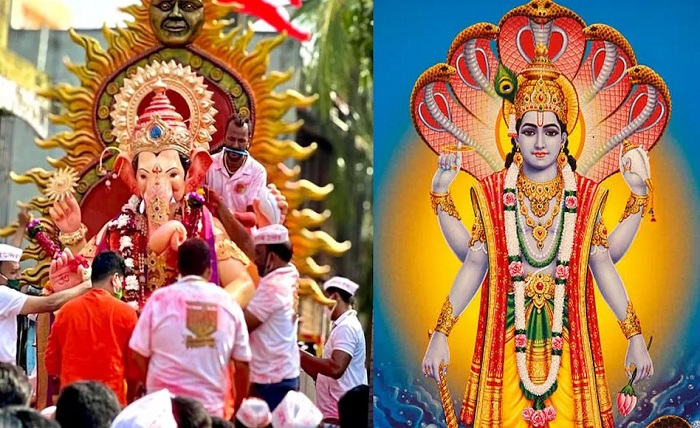
Anant Chaudas is associated with Lord Vishnu and is another widely recognized observance related to chaudas kab ki hai. It is celebrated with fasting, prayers, and immersion ceremonies in some regions.
Masik Shivaratri
Every month, devotees also ask chaudas kab ki hai for Masik Shivaratri, which falls on Krishna Paksha Chaturdashi and is dedicated to Lord Shiva.
Each variation of chaudas kab ki hai carries different religious meanings and traditions depending on regional beliefs and Hindu scriptures.
Religious Rituals Related to Chaudas Kab Ki Hai
Religious rituals are an important part of chaudas kab ki hai because devotees observe prayers, fasting, and temple worship on this sacred day.
Many people observing chaudas kab ki hai wake up early in the morning for ritual bathing and purification. Special pujas are then performed according to the specific Chaudas festival.
During Narak Chaturdashi associated with chaudas kab ki hai, oil baths and lighting lamps are considered highly auspicious. Families decorate homes and prepare festive meals.
In Masik Shivaratri connected to chaudas kab ki hai, devotees fast throughout the day and offer milk, water, and Bilva leaves to Lord Shiva.
Some traditions related to chaudas kab ki hai also include chanting mantras, reading religious scriptures, donating food to the poor, and practicing meditation for spiritual growth.
The rituals of chaudas kab ki hai vary by region, family customs, and the particular deity being worshipped.
How Chaudas Kab Ki Hai Is Calculated
The calculation of chaudas kab ki hai is based on the Hindu lunar calendar, also known as the Panchang. Since the Hindu calendar follows moon phases, the date changes every month in the Gregorian calendar.
Astrologers and priests determine chaudas kab ki hai by calculating the lunar tithi or phase of the moon. Chaturdashi begins and ends according to specific planetary timings.
People often search online for chaudas kab ki hai because exact timings are important for performing rituals during the correct Muhurat.
The timing of chaudas kab ki hai may differ slightly depending on geographical location and local Panchang calculations. This is why regional calendars sometimes display different observance dates.
Digital Panchang apps and temple websites now help devotees easily check chaudas kab ki hai for upcoming months and festivals.
Cultural Celebrations Connected to Chaudas Kab Ki Hai
The cultural side of chaudas kab ki hai is equally important because many festivals connected to Chaudas are celebrated with great enthusiasm across India.
During Diwali celebrations linked with chaudas kab ki hai, families clean and decorate homes, exchange sweets, and light diyas to symbolize positivity and prosperity.
In regions celebrating Kali Chaudas related to chaudas kab ki hai, devotees perform special nighttime rituals and prayers seeking protection from negative energies.
Community gatherings, temple events, devotional music, and cultural programs are also common during chaudas kab ki hai festivals.
Many families prepare traditional foods and invite relatives for celebrations associated with chaudas kab ki hai, strengthening social and family bonds.
The festive atmosphere surrounding chaudas kab ki hai reflects the deep cultural and spiritual significance of Hindu traditions.
Spiritual Importance of Chaudas Kab Ki Hai
The spiritual significance of chaudas kab ki hai goes beyond rituals and festivals. Many devotees believe Chaturdashi is a spiritually powerful day for cleansing negativity and seeking divine blessings.
Meditation and prayer during chaudas kab ki hai are believed to improve mental peace and spiritual awareness. Devotees often spend time in silence and self-reflection.
In Shaivism traditions connected to chaudas kab ki hai, Lord Shiva is worshipped as the destroyer of ego and ignorance. Fasting and chanting are believed to purify the soul.
Some tantric traditions associated with chaudas kab ki hai consider the night spiritually intense and suitable for advanced spiritual practices.
The sacred energy linked to chaudas kab ki hai inspires many people to focus on positivity, devotion, discipline, and inner growth.
Modern Relevance of Chaudas Kab Ki Hai
In modern times, people continue searching for chaudas kab ki hai because traditional festivals remain deeply connected to cultural identity and spirituality.
Social media, online calendars, and mobile apps now make it easier to track chaudas kab ki hai and participate in celebrations even from distant locations.
Young generations are becoming more curious about chaudas kab ki hai, especially during major festivals like Diwali and Shivaratri.
Temples livestream rituals connected to chaudas kab ki hai, allowing devotees worldwide to participate virtually in prayers and ceremonies.
Despite modernization, the traditions surrounding chaudas kab ki hai continue to preserve family values, spiritual discipline, and religious heritage.
Conclusion
Understanding chaudas kab ki hai is important for anyone interested in Hindu traditions, festivals, and spiritual practices. Chaudas or Chaturdashi holds deep religious and cultural significance in different forms throughout the year.
From Narak Chaturdashi and Kali Chaudas to Masik Shivaratri and Anant Chaudas, the observances connected to chaudas kab ki hai reflect the richness of Hindu beliefs and customs.
People continue searching for chaudas kab ki hai to prepare for fasting, prayers, celebrations, and spiritual rituals. The traditions associated with Chaudas strengthen devotion, family unity, and cultural identity.
As Hindu festivals continue evolving with modern technology and global participation, the spiritual importance of chaudas kab ki hai remains timeless and meaningful for millions of devotees worldwide.
FAQs
1. What does chaudas kab ki hai mean?
The phrase chaudas kab ki hai means asking about the date and timing of Chaturdashi, the fourteenth day of the Hindu lunar calendar.
2. Why is chaudas kab ki hai important in Hinduism?
chaudas kab ki hai is important because Chaturdashi is associated with major Hindu festivals, fasting rituals, and spiritual observances dedicated to various deities.
3. How is chaudas kab ki hai calculated?
The date of chaudas kab ki hai is calculated using the Hindu lunar calendar and Panchang based on moon phases and tithi timings.
4. Which festivals are connected with chaudas kab ki hai?
Festivals related to chaudas kab ki hai include Narak Chaturdashi, Kali Chaudas, Anant Chaudas, and Masik Shivaratri.
5. Where can I check chaudas kab ki hai dates?
You can check chaudas kab ki hai dates through Hindu Panchang calendars, temple websites, astrology apps, and festival calendars online.